
In collaboration with the National Geographic Society, National Geographic-Lindblad Expeditions has released the 2025/2026 Traveler Impact Report, highlighting a record-breaking year of global impact made possible by the Lindblad Expeditions-National Geographic Fund (LEX-NG Fund).
In 2025, through the support from traveller contributions, the LEX-NG Fund invested $3.03 million across 36 conservation, science, education and storytelling projects worldwide, marking the largest single-year investment in its history.
The fund has now contributed more than $26.4 million since 2008 to support projects in the regions the fleet explores.
“This year’s results show what can happen when travel is rooted in purpose,” said Natalya Leahy, CEO of Lindblad Expeditions.
“As the pioneer of modern expedition travel, our belief has been that exploration and stewardship go hand in hand. What makes this work so powerful is that it’s driven by our guests – every journey helps support the science, conservation and community initiatives that protect the places we explore. It’s a reminder that travel can do more than broaden perspective – it can make a meaningful impact on the world we’re so fortunate to experience.”
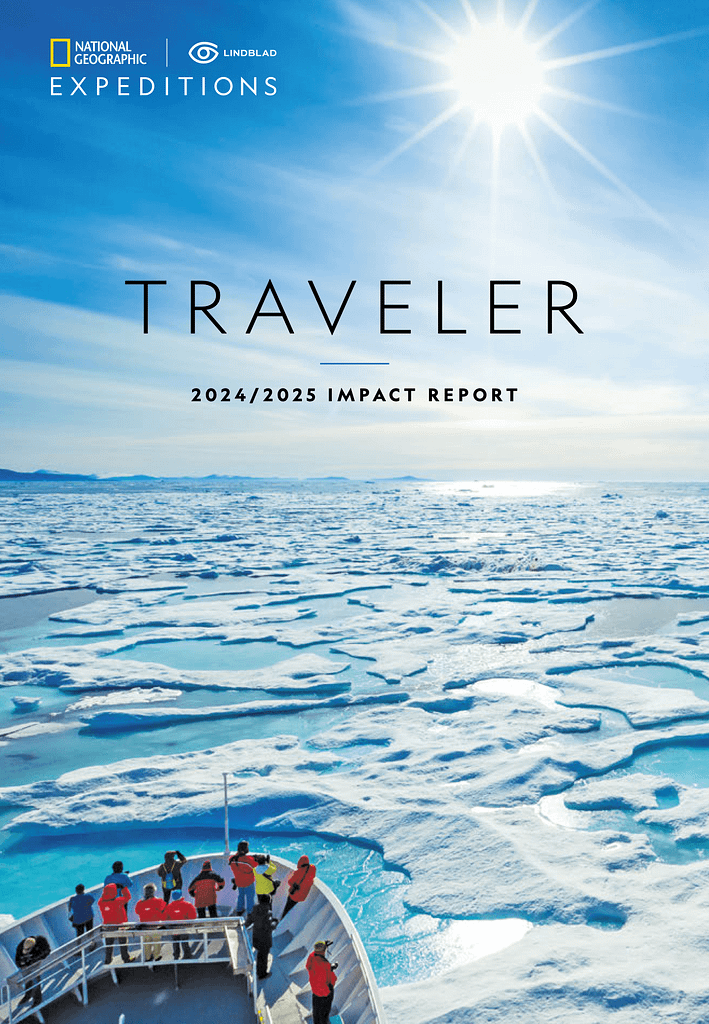
Among the projects supported last year, several stand out for their geographic reach and representation of the LEX-NG Fund’s diverse impact, such as:
- Unplastify – has engaged more than 4,000 students across 10 countries through expanded educator training and youth-led solutions to reduce single-use plastics, co-founded by National Geographic Explorer Agustina “Tati” Besada.
- Mapping Microplastics and Microfibers in Water and Air – is pioneering plastic pollution research by mapping microplastics and microfibers in the water and air in the Arctic and the Southern Ocean, and is being led by National Geographic Explorer and Visiting Scientist Rachael Zoe Miller.
- Alaska Whale Foundation – continues its long-term whale health research through its Ocean Health Programme, now nearing a decade of work and recognised as one of the largest initiatives of its kind, advancing scientific knowledge while supporting coastal communities, led by National Geographic Explorer Andy Szabo.
- Floreana Island Restoration project – is enabling the return of native species like the giant tortoise in Galápagos and laying the groundwork for future reintroductions, including the Floreana racer snake and Floreana mockingbird.
- Moananuiākea: Voyage for Earth – led by the Polynesian Voyaging Society, is connecting communities across the Pacific to advance ocean stewardship, led by National Geographic Explorers Nainoa Thompson and Lehua Kamalu.
- Additional efforts include contributing to the creation of three new Marine Protected Areas through the efforts of National Geographic Pristine Seas (led by National Geographic Explorer in Residence Enric Sala); Indigenous-led kelp forest restoration in British Columbia (led by National Geographic Explorer Brian Timmer); community-driven mangrove restoration in Baja California (led by National Geographic Explorer Martha García Juárez); and Southern Ocean research identifying previously unknown pathogens and strengthening global understanding of marine wildlife health (led by National Geographic Explorer and Visiting Scientist Jane Younger).
Last year’s support also advanced research and education initiatives both in the classroom and at sea, including Visiting Scientist projects led by National Geographic Explorers across 24 voyages; mentorship of 59 students through three National Geographic Photo Camps in Galápagos and Baja; and the participation of 35 educators as Grosvenor Teacher Fellows aboard the National Geographic-Lindblad Expeditions fleet In Galápagos, Europe, the Arctic, Alaska, Patagonia, Antarctica and the Mediterranean.
“We are incredibly grateful for our continued collaboration with National Geographic-Lindblad Expeditions and the support generated for our Explorers through the LEX-NG Fund,” said Kara Ramirez Mullins, chief advancement officer for the National Geographic Society.
“From inspiring education initiatives to fuelling innovative research, the LEX-NG Fund invests in people and projects to strengthen environmental stewardship. Together, we are empowering travellers to make a distinct, lasting impact on the places they visit, helping to preserve the wonders they encounter for generations to come.”
These efforts reflect the power of purpose-driven travel to create lasting, global impact, a vision that has defined National Geographic-Lindblad Expeditions since its pioneering beginnings.
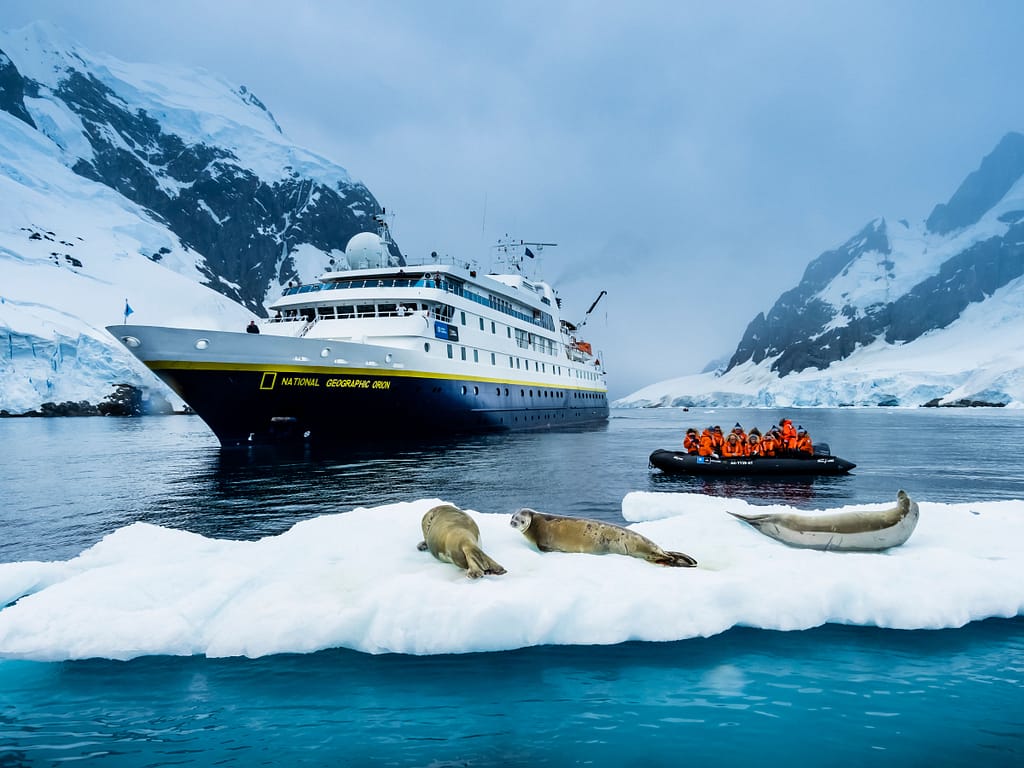
Each voyage contributes to a broader mission, connecting travellers directly to the people, places, and projects shaping a more sustainable future. As the LEX-NG
Fund continues to grow, so too does its ability to support bold ideas and drive meaningful change for the ecosystems and communities that make exploration possible.
To learn more about the Lindblad Expeditions-National Geographic Fund’s impact, click here.
To learn more about National Geographic-Lindblad Expeditions and explore available itineraries, visit www.expeditions.co.uk call 0800 021 3189 or email sales@expeditions.co.uk.
Source: Kate Selley PR
Images: © 2026 Lindblad Expeditions and © 2026 NATIONAL GEOGRAPHIC EXPEDITIONS



0 Comments